1. Executive Summary
Kenya’s Social Health Authority (SHA) has introduced a Global Budget Allocation Model to fund primary healthcare (PHC) services through county-based Primary Care Networks (PCNs). This model replaces the previous capitation system with a weighted, performance-based distribution mechanism, aiming to enhance equity, efficiency, and access. While the model introduces promising features, including service portability and incentive-based funding, it also risks unintended economic behaviors, including overutilization, zero-sum competition, and provider consolidation, unless actively managed through policy and operational safeguards. This article explains the methodology, draws insights from comparative economic models, and outlines key implications for healthcare markets.
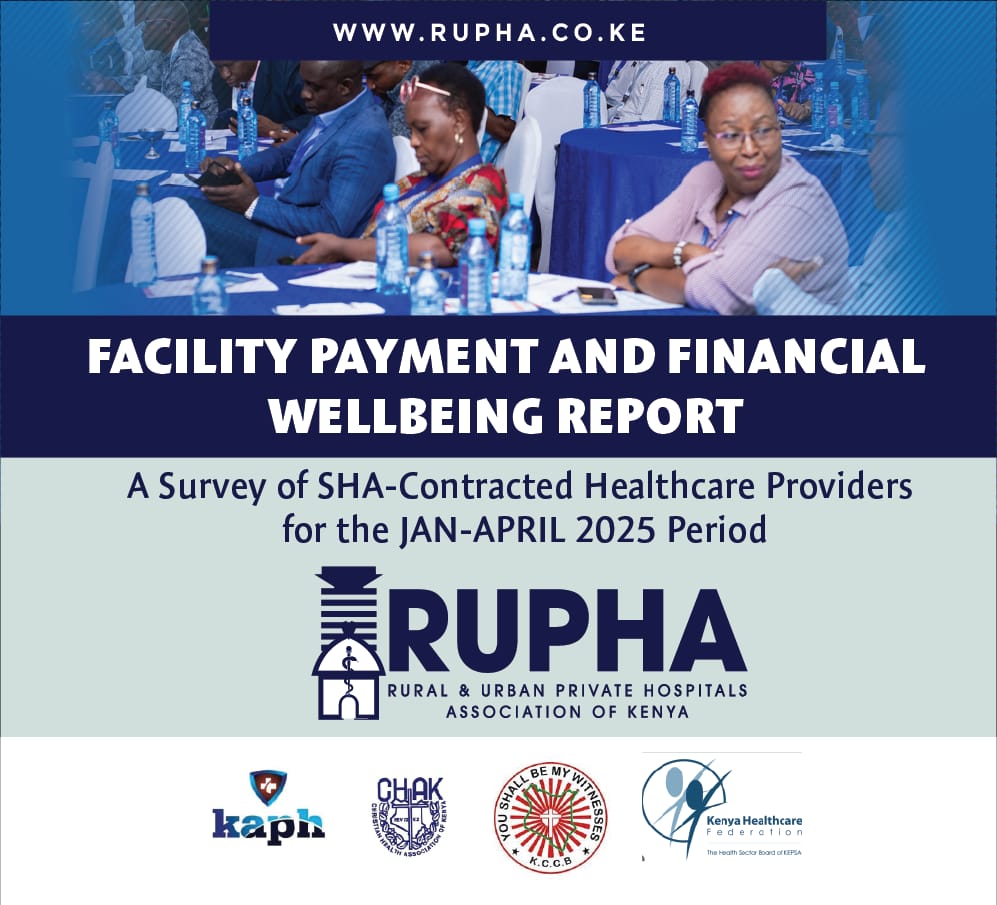
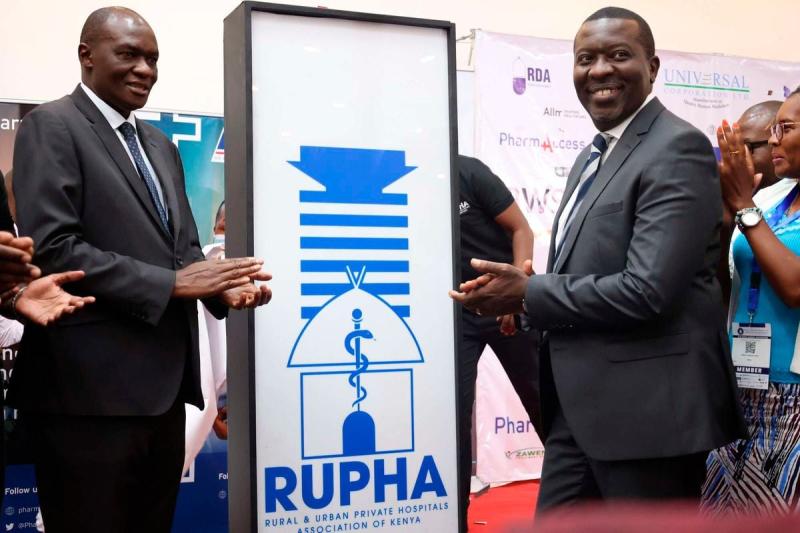
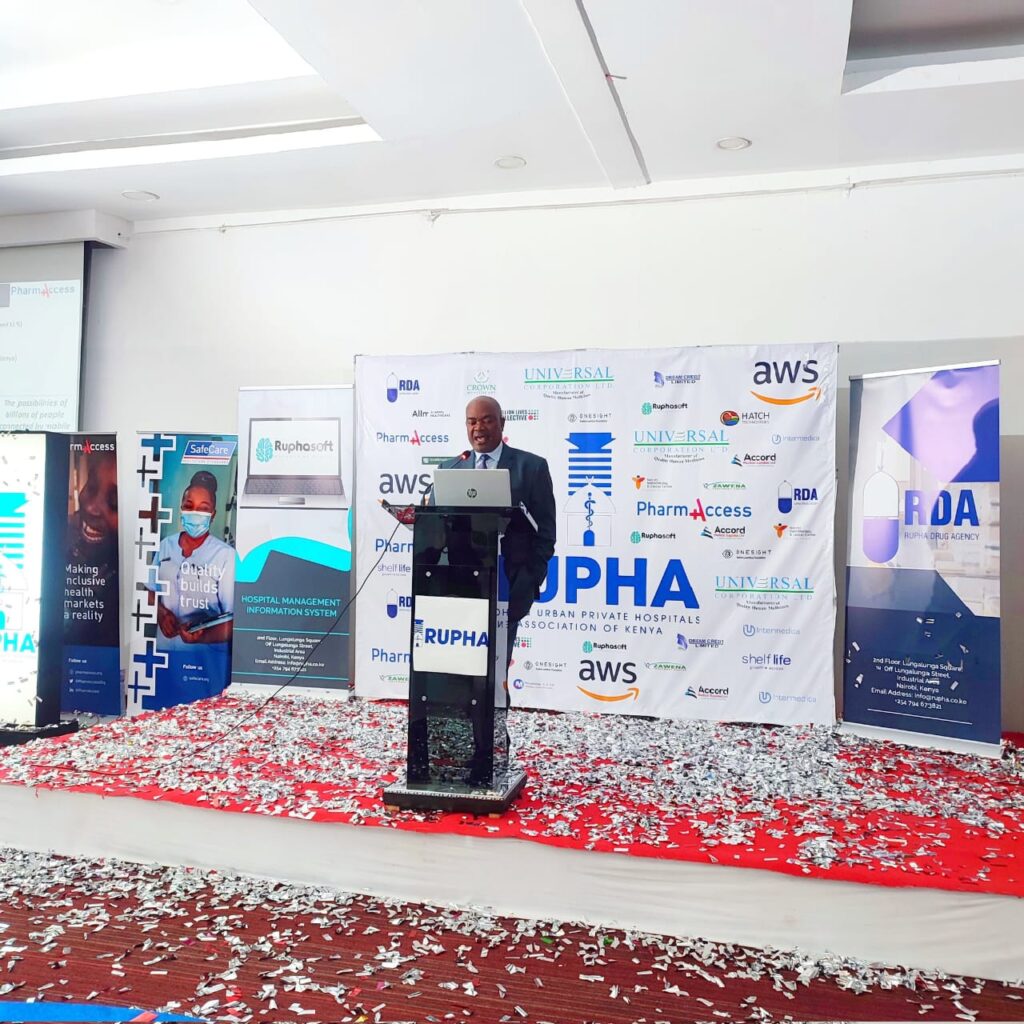
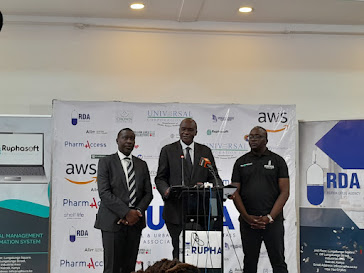
The Management of Rupha during their sitting
Capitation to Global Budgeting
The transition from capitation to a global budget model marks a significant turning point in the financing of primary healthcare in Kenya. Under the former capitation model, healthcare providers were paid a fixed amount per registered beneficiary, regardless of whether or not that person utilized services. This approach, according to the Social Health Authority, suffered from several fundamental weaknesses:
- Low Service Delivery Incentives: Because funding was not tied to actual visits or treatments, facilities had limited motivation to actively engage patients or expand services.
- Limited Patient Portability: Beneficiaries could only access care at their chosen facility, which restricted flexibility and complicated referrals.
- Accountability Gaps: Payments were made without robust tracking of utilization, opening the door to inefficiencies.
- Barrier to Quality Competition: Providers had little incentive to improve services to attract patients, since payments were fixed.
In contrast, the new global budget model is intended to link provider payments to actual service utilization and disease burden. Patients can access any contracted facility in their county, and funds are distributed monthly based on the number and type of cases handled. The global budget model distributes funding based on actual service demand and complexity. It’s aim is to improve:
- Portability and access (patients can visit any participating facility within their county)
- Incentives for quality (providers are rewarded based on volume and case complexity)
- Equity (allocations are aligned with disease burden)
- Transparency and accountability (data-driven disbursements)