
RUPHA and Wockhardt Hospitals Convene Healthcare Leaders to Strengthen International Clinical Collaboration
Over 30 healthcare facilities participate in a breakfast forum exploring overseas treatment, clinical partnerships and continuity of patient care.
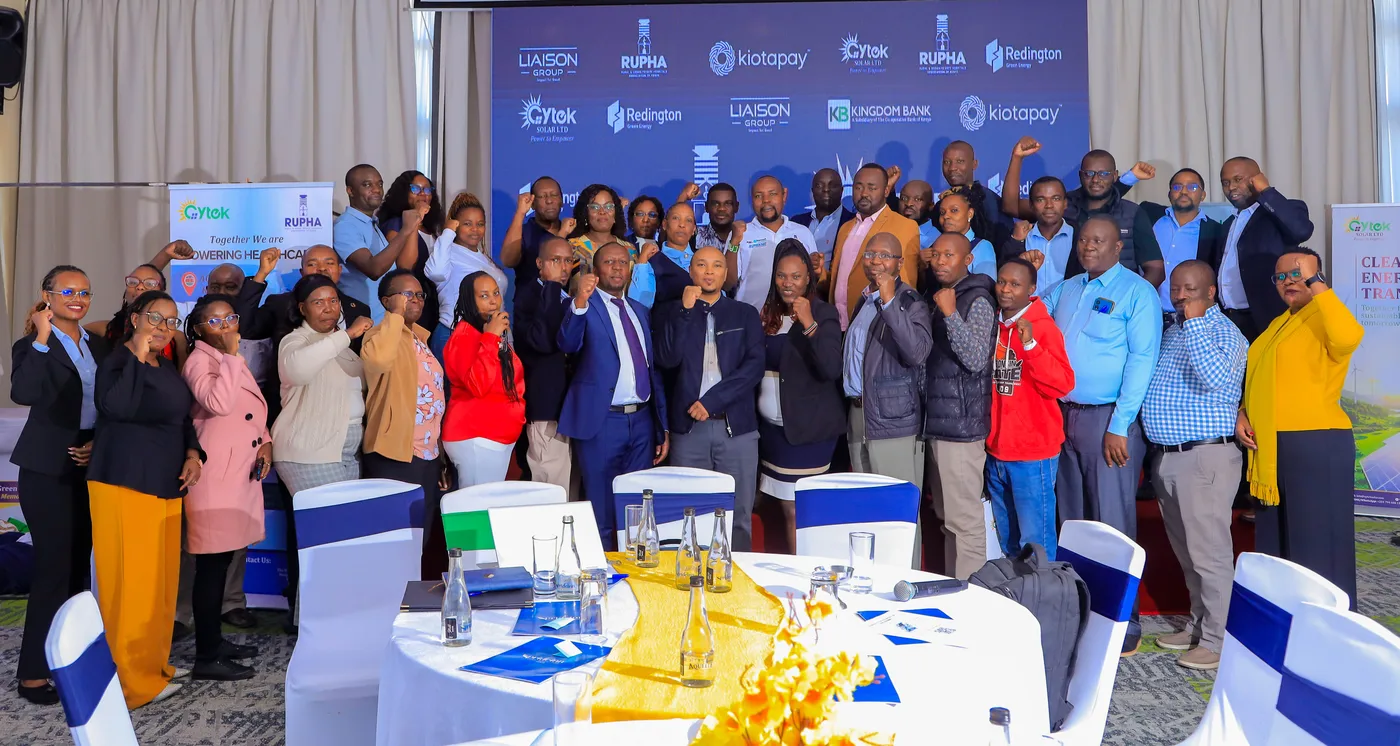
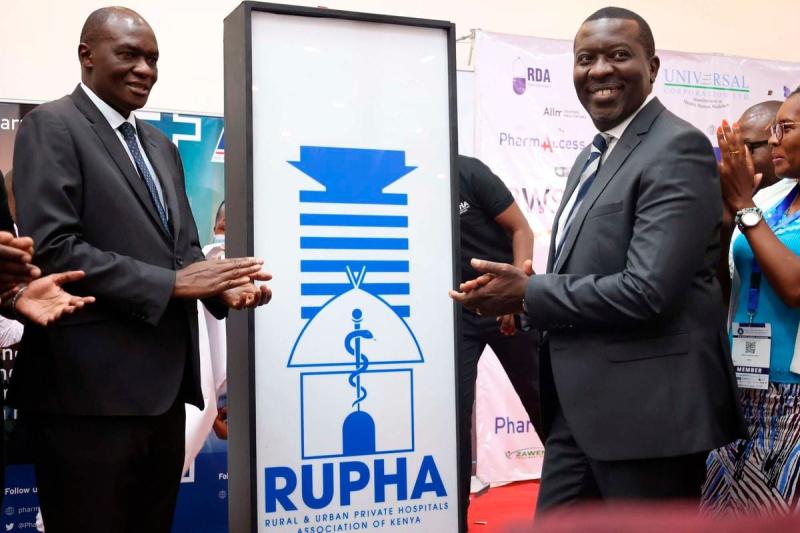
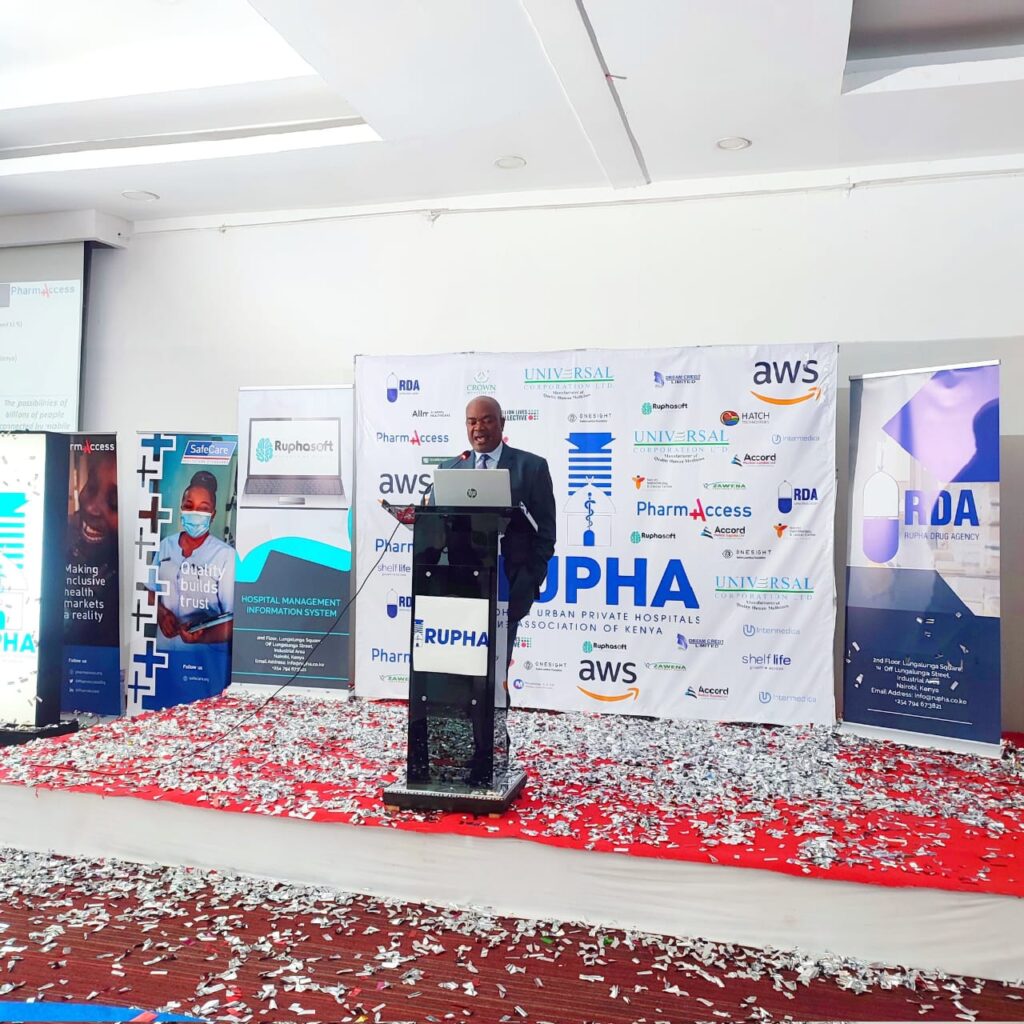
The Rural & Urban Private Hospitals Association of Kenya (RUPHA), in partnership with Wockhardt Hospitals, India, convened an exclusive Breakfast Forum on Friday, 5 June 2026, bringing together Chief Executive Officers, Managing Directors and Heads of Clinical Affairs from more than 30 healthcare facilities across Kenya.
Held at Pullman Hotel, Upper Hill, Nairobi, the forum provided a platform for healthcare leaders to explore opportunities for international clinical collaboration, particularly in overseas treatment, specialist medical services and continuity of care for patients requiring treatment beyond Kenya’s borders.
Under the theme “Overseas Treatment Clinical Collaboration and Continuity of Care,” the engagement focused on strengthening relationships between Kenyan healthcare providers and Wockhardt Hospitals, creating opportunities for professional interaction, knowledge exchange and improved coordination of patient care.
Connecting Kenyan Healthcare Providers to International Medical Expertise
The forum was organised against the backdrop of an increasing need for stronger collaboration between local healthcare providers and international specialist hospitals.
While Kenya continues to develop its healthcare infrastructure and specialist medical capacity, some patients still require highly specialised interventions and treatment options that may not be readily accessible locally.
For healthcare providers, identifying appropriate international referral partners and ensuring that patients receive coordinated care throughout the treatment journey remains important.
The engagement therefore provided an opportunity for RUPHA member facilities to interact directly with the Wockhardt Hospitals team, understand the available specialist services and explore practical approaches to international patient referrals.
Participants received presentations from the Indian hospital team covering its medical capabilities, specialist services, patient referral processes and the support available to patients travelling to India for treatment.
The discussions also created an opportunity for hospital leaders to seek clarification, share experiences and better understand how international clinical partnerships can complement healthcare services available within Kenya.
Real Patient Experiences and Insights from Previous Engagements
A particularly valuable component of the breakfast forum was the sharing of presentations and testimonies from individuals who had previously interacted with Wockhardt Hospitals.
These experiences offered participants an opportunity to hear perspectives beyond institutional presentations and understand aspects of the overseas treatment journey from people with direct experience.
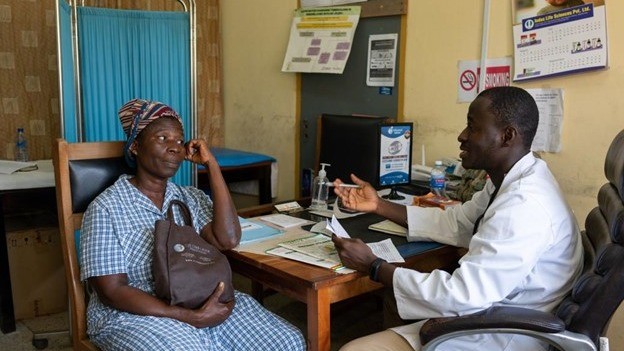
The testimonies helped bring practical context to discussions around patient referrals, treatment coordination, the experience of accessing specialist services abroad and the importance of appropriate follow-up after patients return home.
For participating healthcare providers, these accounts provided useful insights into the considerations that should guide decisions involving international referrals.
The discussions reinforced the importance of ensuring that patients are supported throughout the entire treatment process, from initial assessment and referral to treatment abroad and subsequent follow-up in their home facilities.
RUPHA’s Commitment to Building Clinical Partnerships on Behalf of Members
In its engagement with participating facilities, RUPHA emphasised its commitment to developing strategic collaborations that create tangible value for member healthcare providers.
The association reiterated that its role extends beyond representing the interests of private healthcare facilities. It also involves identifying strategic partners, facilitating access to opportunities and creating platforms through which members can strengthen their service delivery capacity.
Through engagements such as this breakfast forum, RUPHA seeks to build structured relationships with reputable local and international healthcare institutions on behalf of its members.
The objective is to help healthcare facilities access specialist expertise, explore referral partnerships and establish professional networks that support better patient outcomes.
RUPHA also emphasised the importance of making quality healthcare more accessible and affordable, both within Kenya and internationally.
International collaboration should not simply be about referring patients outside the country. It should be about creating a coordinated healthcare pathway that allows patients to access appropriate treatment while maintaining a strong relationship with their local healthcare providers.
This includes ensuring that patients are properly assessed before referral, receive appropriate support during treatment and return to a local facility where follow-up care can be coordinated.
Such collaboration can help strengthen confidence in referral arrangements while improving continuity of care.
Why Continuity of Care Matters
One of the central issues emerging from the forum was the importance of continuity of care when patients seek treatment abroad.
A patient’s healthcare journey does not end when they receive treatment at an international hospital. Upon returning home, they may require medication management, rehabilitation, clinical reviews, monitoring and other follow-up services.
This makes the relationship between the referring facility in Kenya and the receiving hospital abroad particularly important.
Effective collaboration requires communication between healthcare professionals, proper documentation, clear referral procedures and appropriate arrangements for post-treatment follow-up.
For Kenyan healthcare providers, these partnerships can provide an opportunity to remain actively involved in their patients’ treatment journeys, even when certain interventions are undertaken outside the country.
For patients, a well-coordinated approach can provide greater confidence and reduce the challenges associated with navigating healthcare services across different countries.
Strengthening the Value of RUPHA Membership Through Strategic Partnerships
The breakfast forum also demonstrated the practical value of RUPHA’s partnership-driven approach to supporting member facilities.
Independent healthcare providers may not always have the capacity to establish direct relationships with international specialist hospitals or independently negotiate structured clinical collaboration arrangements.
By bringing healthcare providers together with international institutions, RUPHA creates a platform for engagement that can open doors to opportunities that individual facilities may otherwise find difficult to access.
The participation of more than 30 healthcare facilities demonstrated the interest among Kenyan hospital leaders in exploring international clinical partnerships and expanding professional networks.
Such engagements are part of RUPHA’s broader commitment to ensuring that membership translates into meaningful opportunities for healthcare facilities.
Through partnerships in healthcare technology, financing, equipment, capacity development and clinical collaboration, the association continues to explore ways of strengthening the operational and service delivery capacity of its members.
Looking Ahead: Building a Connected Healthcare Ecosystem
The engagement with Wockhardt Hospitals represents an important step towards stronger collaboration between Kenyan healthcare providers and international medical institutions.
As healthcare continues to evolve, partnerships that connect local facilities to specialist expertise, knowledge and medical resources will become increasingly important.
RUPHA remains committed to facilitating meaningful partnerships that strengthen its members, improve access to quality healthcare and support the development of a more connected healthcare ecosystem.
The association will continue engaging reputable institutions and strategic partners to create opportunities that benefit member facilities and the communities they serve.
Ultimately, the goal is not simply to connect hospitals across borders. It is to ensure that patients can access appropriate, quality and affordable healthcare while benefiting from coordinated care throughout their treatment journey.